
How an Engagement Ring Comes to Life
The Process of Creating an Engagement Ring
Engagement rings are deeply personal pieces of jewelry. While many rings begin as a display piece in a showcase, others are thoughtfully created through a guided design process.
For over 50 years, our jewelers have helped couples explore styles, understand diamonds, and craft rings that reflect their story.
Creating a ring is not complicated when you have the right guidance. It simply follows a thoughtful process.
Step 1 — Consultation
Every ring begins with a conversation
This is where the jeweler listens.
- What styles appeal to you?
- What type of diamond are you considering?
- What budget feels comfortable?
Many clients arrive with only a general idea. Our role is to guide the conversation and help narrow the possibilities into something meaningful.
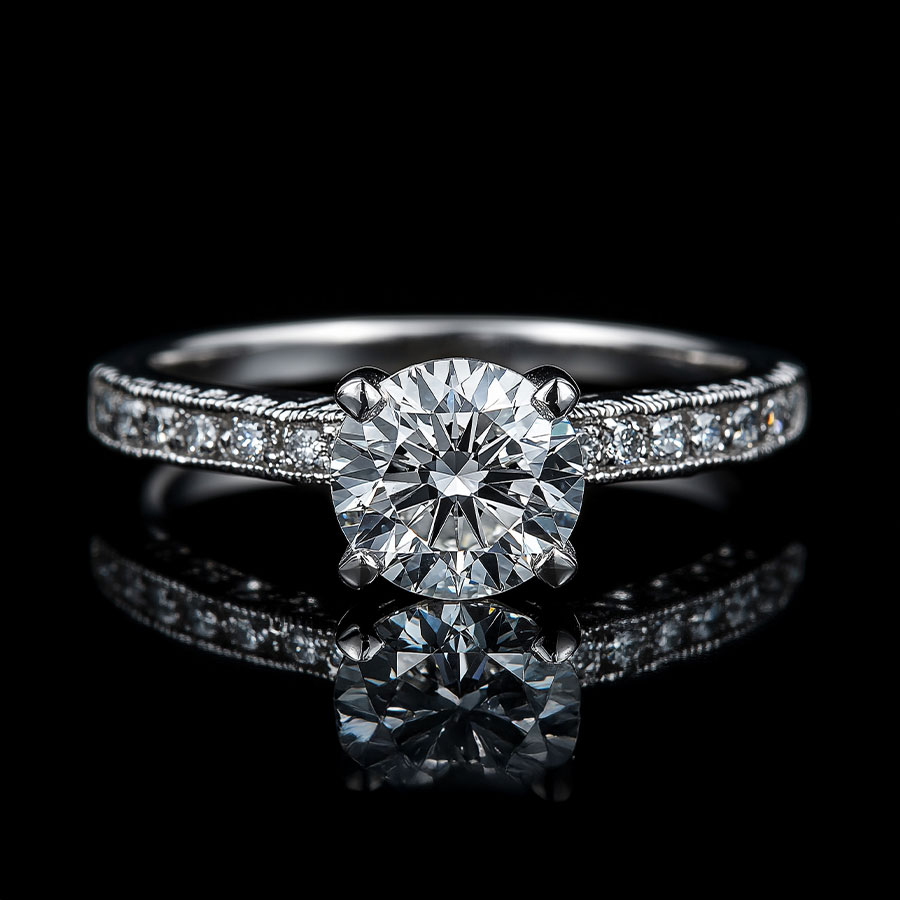
Step 2 — Choosing a Ring Style
The setting defines the character of the ring
Common styles include:
- Solitaire
- Accented settings
- Halo
- Hidden halo
- Three-stone
- Two-stone
Each style frames the diamond differently and creates its own personality.
Step 3 — Selecting the Metal
The metal influences both appearance and durability
Common choices include:
- Gold (10K, 14K, 18K, 22K)
- Platinum
- Palladium
- Silver
The choice often depends on lifestyle, color preference, and long-term wear.
Step 4 — Choosing the Center Stone
The diamond or gemstone becomes the focal point
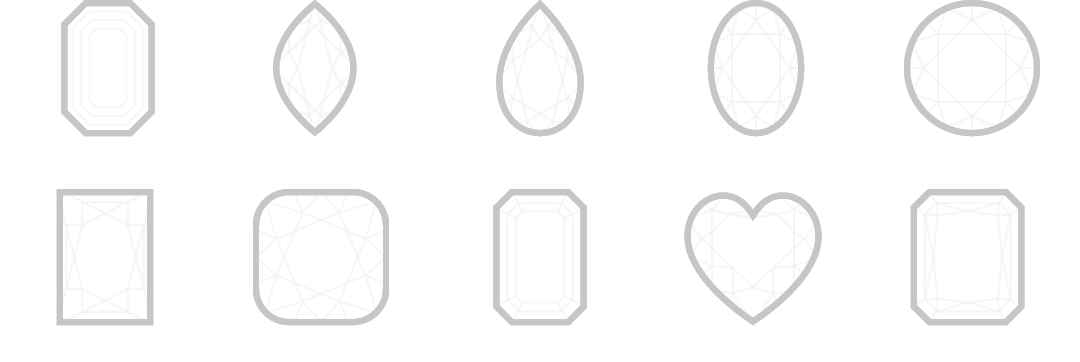
Shape
- Emerald
- Marquise
- Pear
- Oval
- Round
- Princess
- Cushion
- Square
- Asscher
- Heart
- Triangle
- Radiant
Origin
- Natural
- Lab-grown
- Imitation
- What Are Lab-Grown Diamonds
- Lab-Grown vs Natural Diamonds: What’s the Difference?
Quality
Stone selection often involves evaluating:
- Carat
- Color
- Clarity
- Cut
Many clients explore these characteristics through our Diamond Education guide.
- The 4 Cs of Diamonds
Step 5 — Choosing the Setting Style
The way a stone is held in place is just as important as the stone itself
Examples include:
- Prong set
- Bezel set
- Channel set
- Pavé
- Shared prong
- Flush set
- French set
The setting affects both appearance and durability.
Step 6 — Determining Prong Structure
If prongs are used, the jeweler determines how many are needed
Depending on the design, settings may use:
- 2 prongs
- 4 prongs
- 6 prongs
- up to 12 prongs
Some designs may instead use a bezel enclosure.
Step 7 — Sketching the Design
Many rings begin with a simple sketch
The jeweler works directly with the client to refine proportions, stone placement, and overall style.
Often this step happens right at the counter during consultation.
Step 8 — CAD Rendering (When Needed)
In some cases a digital model is created
A CAD rendering allows the client to preview the ring in detail before it is produced.
However, many designs can be executed directly from a sketch without the need for CAD.
- Discover More About Custom Design

Step 9 — Approval
Once the client approves the design, the ring moves into production
This step ensures every detail has been reviewed before crafting begins.
Step 10 — Crafting the Ring
Knowing all the details, the work can begin
The ring is either:
- Crafted directly by the jeweler
- Or cast from a wax model created from the design
This stage brings the design into physical form.
Step 11 — Final Stone Setting
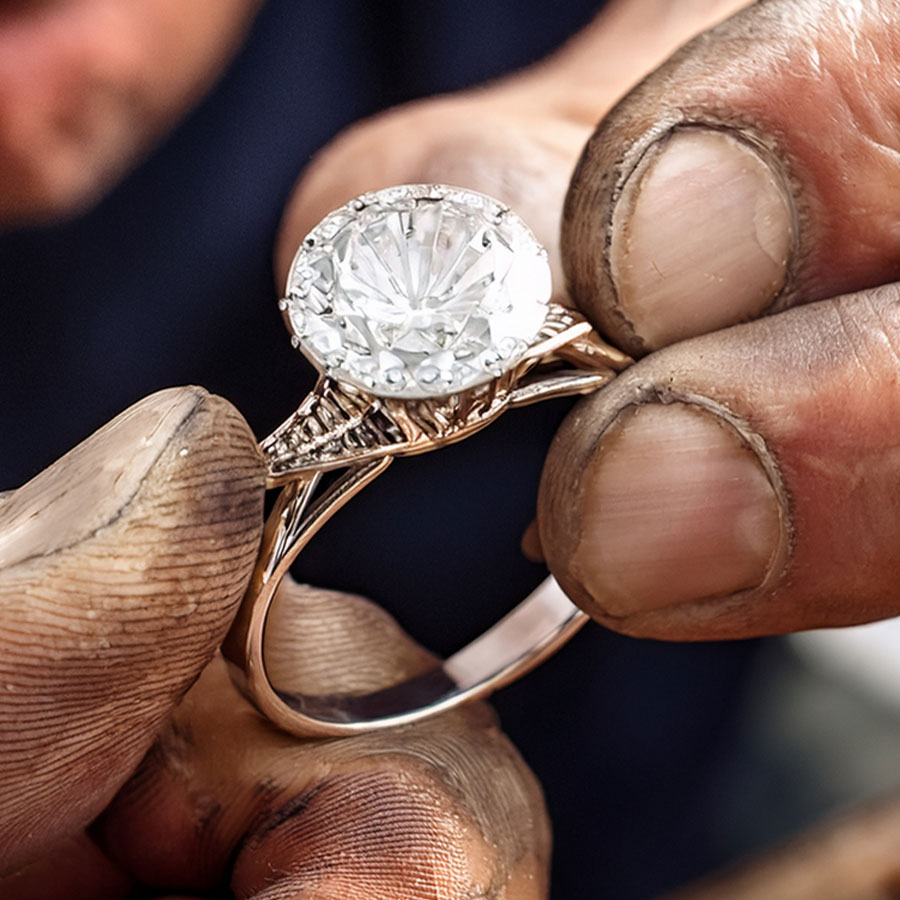
Once the ring returns from casting, the diamonds are carefully set by the jeweler
This is where precision matters most.

Step 12 — Final Presentation
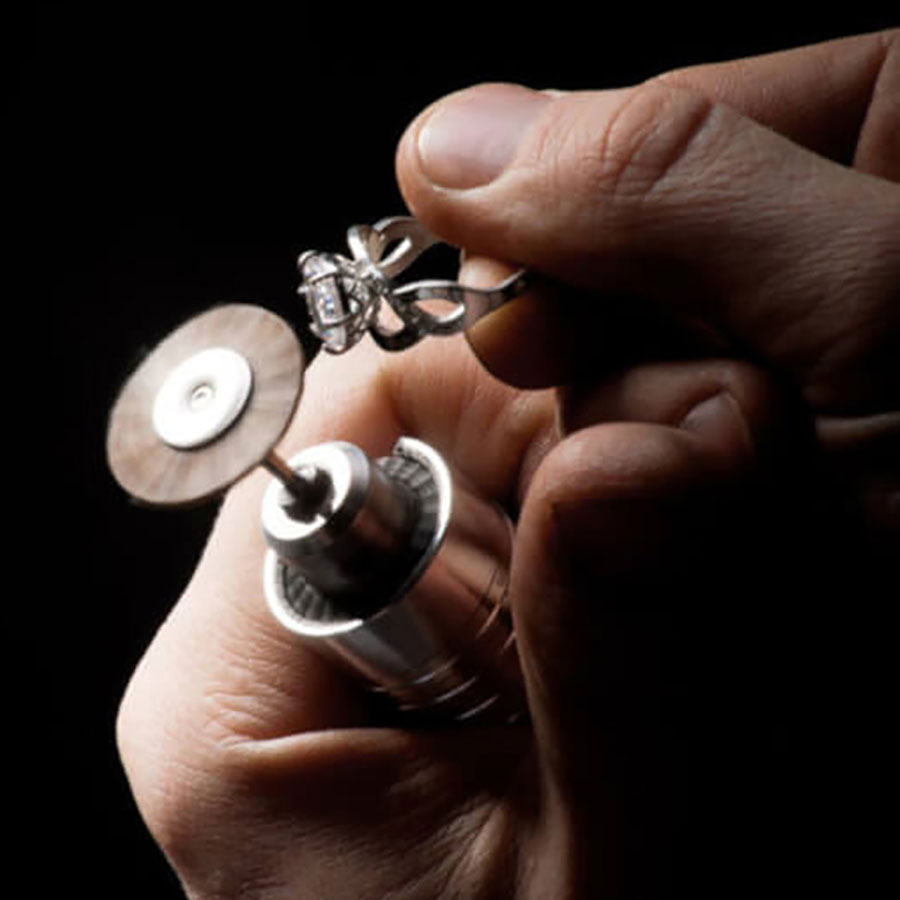
The completed ring is inspected, polished, and presented to the client
For many couples, this moment marks the final step before the proposal.
Don't forget to take care of your commitement in the moments that follow:
- Professional Jewelry Cleaning
- GIA Certified Jewelry Appraisal
Creating an engagement ring is not just about choosing a diamond
It is about working with experienced jewelers who understand design, craftsmanship, and the meaning behind the piece.
If you would like guidance in creating a ring of your own, we invite you to visit our Clementon showroom.
- Engagement Rings
- Diamond Education
- Jewelry Education
- Visit Us